The World of Ashenfell
Geography
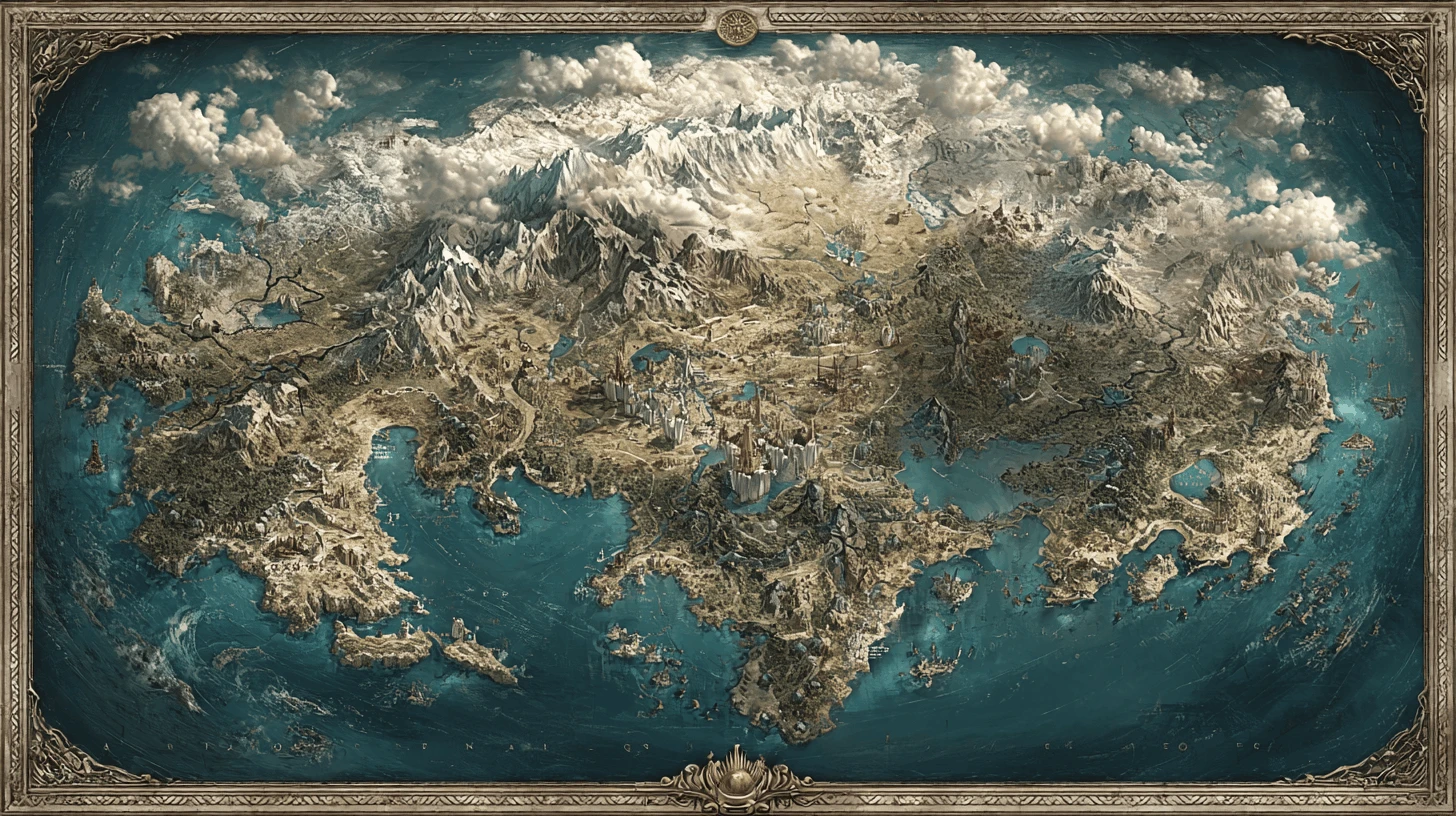
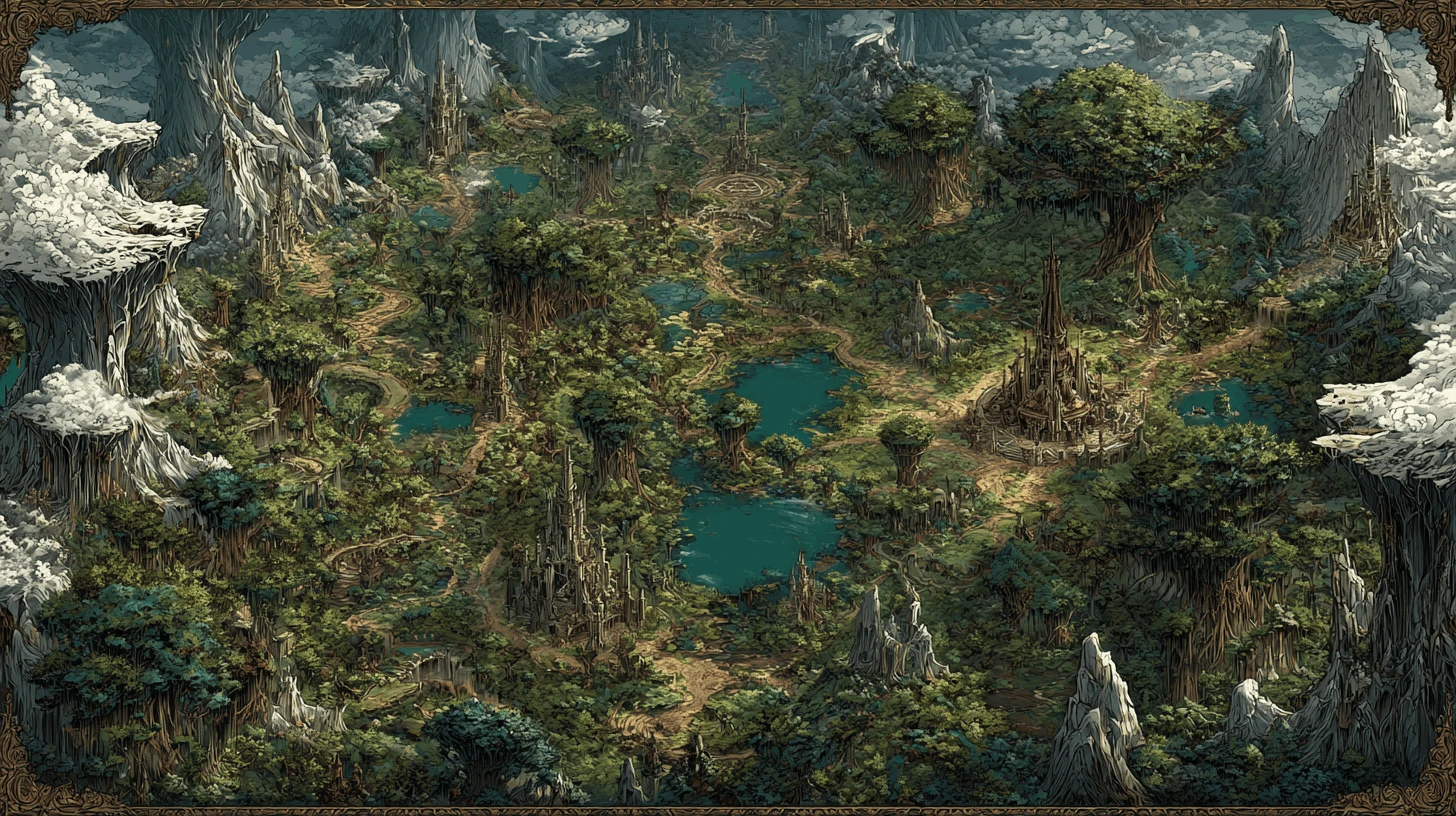
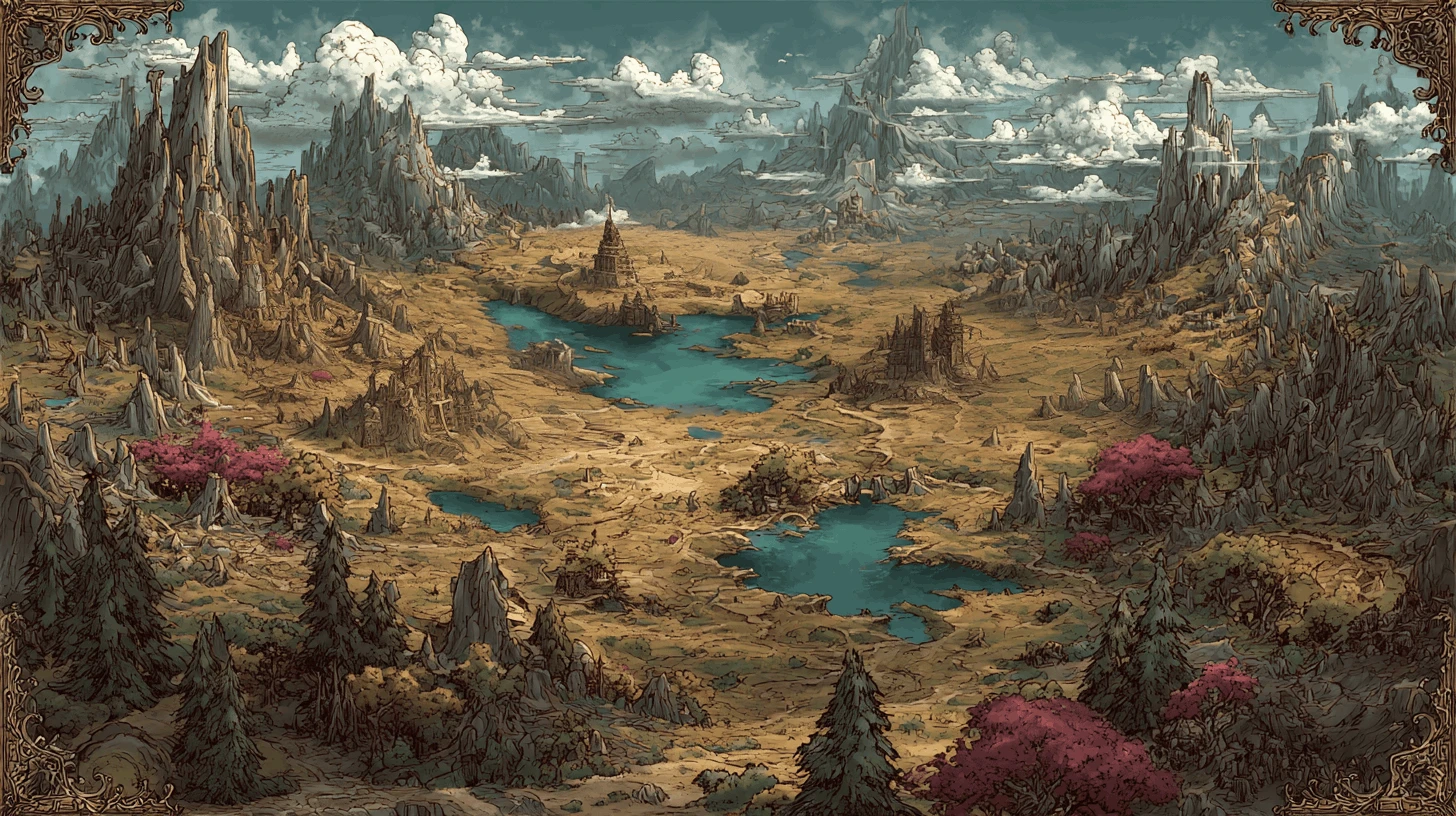
Ashenfell is a continent roughly the size of medieval Europe, bordered by the Endless Ocean to the west, the Bloodstone Mountains to the north, the Shattered Isles to the south, what is known as the Sylvaan Tangle to the east and beyond that the Deadlands. The name itself is grim prophecy, ash from countless burnings, and the fell promise of more death to come.
History
The Sundering
Two Hundred Years Ago... The Empire of Aethelmar was at its
zenith. Humans and Elves coexisted (if not as equals, at least
peacefully). The Orc mountain clans traded peacefully. Magic was
understood, controlled, harnessed for the good of all.
The Archmagus Council believed they had unlocked the fundamental
laws of reality itself. They were attempting the Ascension
Ritual, an effort to elevate humanity and elvenkind to a higher
plane of existence. No more disease. No more hunger. No more
death. It would be civilization's greatest triumph. It was
civilization's greatest mistake. The Ritual Failed.
Not gradually. Not with warning. One moment, the ritual circle
was glowing with power. The next, reality screamed. The magical
energies being channeled were too vast, too fundamental. When
the ritual collapsed, it didn't just fail, it inverted. Instead
of elevating life, it shattered the foundations of existence
itself. The Well of Eternity exploded. The capital city was
vaporized. A wave of destructive magical energy radiated
outward, warping everything it touched.
Magic in Ashenfell
Before the Sundering: Magic was a science.
Predictable. Safe. Mages studied for decades in academies,
learning to channel ambient magical energy through ritualistic
formulae. It was used for healing, construction, communication,
and transportation. Warfare involved magic, but it was
controlled—fireball spells, protective wards, nothing
catastrophic.
After the Sundering: Magic is dangerous. The
Sundering didn't eliminate magic—it destabilized it. Ambient
magical energy is higher now, but chaotic. Spells that once were
routine now risk backfiring. Mages who channel too much power
risk mutation, madness, or death.
This has led to three approaches to magic:
Human Approach: Suppression
The Duchies blame magic for the Sundering. Their solution: ban
it. Human mages are rare, closely monitored, and only employed
for critical military purposes. Most humans view magic with
suspicion and fear. Battle Priests use divine magic
(prayer-based, considered "safe") instead of arcane sorcery.
Magic users in human lands live dangerous lives—one mistake and
they're executed as dangerous heretics.
Orc Approach: Raw Power
Orc Shamans don't study magic—they channel it through pure will
and rage. They tap into Gorthak's fury, letting raw destructive
energy flow through them. It's incredibly dangerous (most
Shamans don't live past 40), but devastatingly effective. Orc
magic is all about destruction: explosive blasts, fire from the
sky, earth-shattering tremors. No subtlety, no precision—just
overwhelming force.
Elven Approach: Ancient Mastery
The Elves remember the old ways. They still practice magic as it
was meant to be—refined, elegant, controlled. Their mages spend
centuries perfecting their craft. But even they're struggling.
The magic is harder to control now. Spells that once were simple
now require elaborate preparations. And most frighteningly:
their magic is fading. With each generation, Elven mages are
weaker. The ancient spells their grandparents cast casually are
now nearly impossible. They're losing their greatest advantage.